
Skilled workers from the EU and Brazil for Irish employers
A wider search for the experience your business needs, with support for the move to Ireland.
Discuss an Overseas SearchWhy International Recruitment?
When a local search is not producing suitable candidates, recruiting overseas can open up other options. We start with the requirements of your role and look for relevant experience through our networks across Europe and Brazil.
The fit still matters. We discuss the work and expectations with candidates, help you assess their suitability and support the practical steps involved in moving to Ireland.

Where We Recruit
We use our established networks to look for experience relevant to your brief.
European Union
EU citizens can work in Ireland without an employment permit, so a candidate from elsewhere in Europe can usually start once they have accepted the role and arranged the move. We source through our European network, discussing each candidate's experience, availability and interest in the role before putting them forward.
Brazil
Our network in Brazil supports searches for skilled trades, particularly welders, fabricators and mechanics. Candidates need an employment permit, and we can organise employer visits so you can meet them, interview them and assess their work in person.
Roles we fill from overseas.
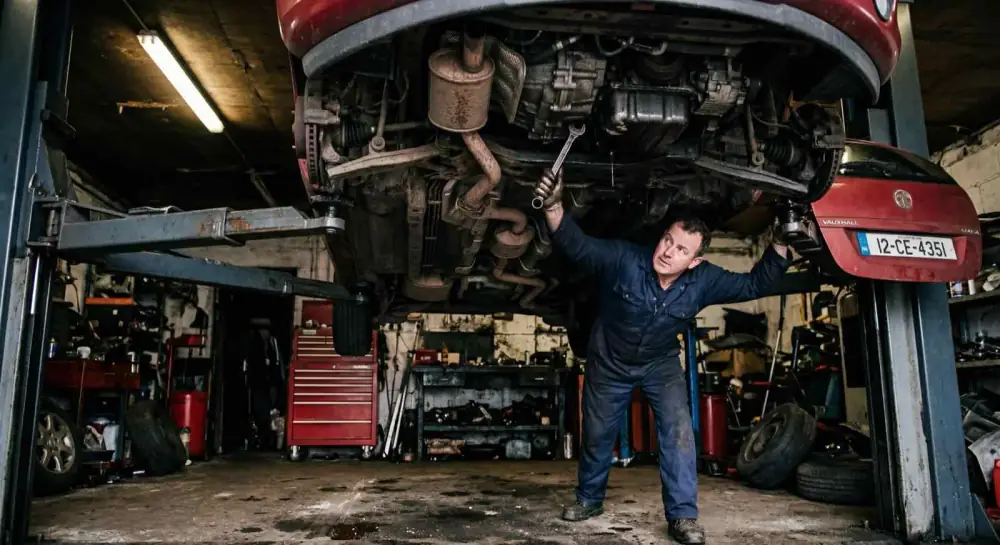
Most of our international searches are for skilled trades that employers haven't been able to fill in Ireland. Welders and fabricators, motor mechanics, vehicle technicians and panel beaters come up most often, along with engineering and construction trades.
- Welder and fabricator recruitment
MIG, TIG, coded and pipe welders and steel fabricators.
- Automotive recruitment
Motor mechanics, vehicle technicians, auto electricians and panel beaters.
- Engineering recruitment
Fitters, maintenance technicians and engineers.
- Construction recruitment
Trades and supervisors for sites across Ireland.
Employment Permits and Timing
A candidate from outside the EEA needs an employment permit before starting work. For skilled trades the usual route is a General Employment Permit, which has needed a salary of at least €36,605 a year since 1 March 2026. Roles on the Critical Skills Occupations List paying at least €40,904, and most roles paying €68,911 or more, qualify for a Critical Skills Employment Permit instead.
Most General Employment Permit applications need a Labour Market Needs Test first, so the job is advertised for at least 28 days with JobsIreland and EURES and on one other job site. At least half your employees must be EEA nationals when you apply, and some roles, including motor mechanics, have a quota that can fill during the year.
Plan the start date around the advert, DETE's processing time, which it publishes on its processing dates page, and the candidate's move. We check the permit route, salary threshold and any quota before the search starts, and our work permit page sets out how we handle the application.
What We Handle for You
Your consultant helps you work through the search, assessment and move, with the requirements agreed around the placement.
- Candidate sourcing from our international network
- Employer visits to Brazil to meet candidates
- Skills assessment, trade tests, and English language evaluation
- Reference verification and right-to-work validation
- DETE General Employment Permit applications
- Travel coordination
- Guidance on PPS registration, bank setup, and accommodation
- Ongoing check-ins with employer and candidate


The move is part of the placement.
Once a candidate accepts, there are still practical arrangements to work through. Travel, the start date and settling into a new location all need attention.
Your consultant helps coordinate the move and remains a point of contact as the candidate starts work. We agree the support around the individual placement.
See the Support for CandidatesQuestions employers ask about hiring from overseas.
Do EU workers need a work permit for Ireland?
No. Citizens of EU and EEA countries and Switzerland can work in Ireland without an employment permit. They need a PPS number for payroll, and we help the candidates we place to get one after they arrive.
What permit does a candidate from Brazil need?
For skilled trades the usual route is a General Employment Permit, which needs a salary of at least €36,605 a year. Roles on the Critical Skills Occupations List paying €40,904 or more, and most roles paying €68,911 or more, can use a Critical Skills Employment Permit instead, which doesn't need a Labour Market Needs Test.
Work permit support for employersHow long does an international hire take?
Longer than a local one. A General Employment Permit usually needs the job advertised for 28 days before you apply, DETE's processing time changes through the year, and the candidate then needs time to arrange the move. Candidates from elsewhere in the EU can usually start much sooner.
How our recruitment process worksWhat is the 50:50 rule?
When you apply for an employment permit, at least half of your employees must be EEA nationals. There are limited exceptions, such as start-ups supported by Enterprise Ireland or IDA Ireland.
Can we meet candidates before offering a job?
Yes. We arrange interviews with every candidate we put forward, and for candidates in Brazil we can organise a visit so you can meet them and see their work in person.
Work through the practicalities.
- Work permit support for employers
Understand the paperwork and responsibilities around an overseas hire.
- How our recruitment process works
See what happens from the first conversation through to starting work.
- Recruitment fees and what is included
Understand the service before deciding how to proceed.
Guides to hiring internationally.
- Hiring Brazilian Workers for Ireland: What Employers Should Know About This Growing Talent Pool
What Irish employers need to know about hiring Brazilian workers: the work permit pathway, which sectors are seeing most demand, cultural integration insights, and practical onboarding advice.
- Retaining International Hires: What Irish Employers Get Wrong (and How to Fix It)
Most Irish employers focus all their energy on attracting international talent. Far fewer think hard about keeping them. Here's what retention really looks like — and where employers consistently fall short.
- The True Cost of Hiring International Workers in Ireland: A Realistic Breakdown
A complete, line-by-line breakdown of international hiring costs in Ireland for 2026 — government fees, advertising, relocation, and the cost of leaving a role vacant.
Need International Candidates?
Tell us what roles you need filled and we'll source candidates from our global network.